This website is managed by Ultima Markets’ international entities, and it’s important to emphasise that they are not subject to regulation by the FCA in the UK. Therefore, you must understand that you will not have the FCA’s protection when investing through this website – for example:
You will not be guaranteed Negative Balance Protection
You will not be protected by FCA’s leverage restrictions
You will not have the right to settle disputes via the Financial Ombudsman Service (FOS)
You will not be protected by Financial Services Compensation Scheme (FSCS)
Any monies deposited will not be afforded the protection required under the FCA Client Assets Sourcebook. The level of protection for your funds will be determined by the regulations of the relevant local regulator.
Note: UK clients are kindly invited to visit https://www.ultima-markets.co.uk/. Ultima Markets UK expects to begin onboarding UK clients in accordance with FCA regulatory requirements in 2026.
If you would like to proceed and visit this website, you acknowledge and confirm the following:
1.The website is owned by Ultima Markets’ international entities and not by Ultima Markets UK Ltd, which is regulated by the FCA.
2.Ultima Markets Limited, or any of the Ultima Markets international entities, are neither based in the UK nor licensed by the FCA.
3.You are accessing the website at your own initiative and have not been solicited by Ultima Markets Limited in any way.
4.Investing through this website does not grant you the protections provided by the FCA.
5.Should you choose to invest through this website or with any of the international Ultima Markets entities, you will be subject to the rules and regulations of the relevant international regulatory authorities, not the FCA.
Ultima Markets wants to make it clear that we are duly licensed and authorised to offer the services and financial derivative products listed on our website. Individuals accessing this website and registering a trading account do so entirely of their own volition and without prior solicitation.
By confirming your decision to proceed with entering the website, you hereby affirm that this decision was solely initiated by you, and no solicitation has been made by any Ultima Markets entity.
Ultima Markets does not have an establishment in Singapore and does not operate from Singapore.
Ultima Markets does not provide products or services to citizens or residents of Singapore, and account applications from Singapore citizens or residents will not be accepted.
If you are a citizen or resident of Singapore, please do not open an account or use Ultima Markets’ products or services.
By selecting “Acknowledge and Continue Browsing”, you confirm that you are accessing this website on your own initiative and that your access is not the result of any direct marketing, targeted advertising, solicitation, or promotional activity by Ultima Markets.
Nothing on this website constitutes an offer, solicitation, or promotion of products or services in any jurisdiction where such activity is prohibited. You are responsible for ensuring that your access to and use of this website complies with applicable local laws and regulations.
Why is the Kuwaiti dinar so strong? Learn how oil wealth, vast reserves, fiscal discipline and a basket peg system keep KWD the world’s strongest currency.
Why Is the Kuwaiti Dinar So Strong Today
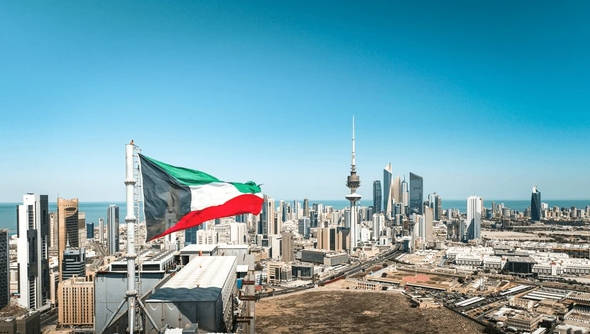
The Kuwaiti dinar (KWD) is the world’s strongest currency by face value, trading at more than 3.26 US dollars per 1 KWD. For a small Gulf nation, this strength often raises the question: why is the Kuwaiti Dinar so strong compared to others? The answer lies in a unique mix of oil wealth, prudent financial management, and careful monetary policy that has preserved its value for decades.
History of the Kuwaiti Dinar
The Kuwaiti dinar was introduced in 1961 after Kuwait gained independence from the United Kingdom, replacing the Gulf Rupee. Initially pegged to the British pound, the dinar later shifted to a basket of currencies in 1975. From 2003 until 2007, the currency was pegged to the US dollar, but the Central Bank of Kuwait eventually reinstated a basket peg to better reflect Kuwait’s global trade and protect against dollar volatility.
During the 1990 Gulf War, Iraq briefly replaced the Kuwaiti dinar with its own currency and large amounts of Kuwaiti banknotes were stolen. After liberation in 1991, Kuwait restored the dinar, introduced a new banknote series, and demonetized the stolen notes, showing an early demonstration of the country’s commitment to maintaining trust in its currency.
Main Reasons Why the Kuwaiti Dinar Is So Strong
Oil Wealth and Export Power
Kuwait sits on about six percent of the world’s proven oil reserves and produces over 2.8 million barrels per day. Thanks to low production costs, Kuwait can generate revenues even when global oil prices fall to $40–50 per barrel. These steady inflows of foreign currency are converted into dinars domestically, creating constant demand that helps keep the exchange rate strong.
Sovereign Wealth and Financial Buffers
Beyond oil, Kuwait has built up one of the world’s largest sovereign wealth funds. The Kuwait Investment Authority (KIA) manages assets worth more than US$1 trillion, giving the government a powerful financial cushion against downturns. This wealth fund stabilises the economy during periods of lower oil prices and reduces the need for public debt or heavy taxation, both of which reinforce confidence in the dinar.
Prudent Fiscal and Monetary Policy
One of the reasons why is the Kuwaiti Dinar so strong is the government’s disciplined approach to economic management. Kuwait has historically run budget surpluses, avoided excessive borrowing, and maintained a sound banking system.
The Central Bank of Kuwait plays a crucial role in this stability by carefully managing liquidity and controlling inflation. By ensuring that government spending is balanced with oil revenues and investment returns, Kuwait limits the kind of fiscal pressures that can weaken a currency.
Exchange Rate Management Through the Basket Peg
Since 2007, the Kuwaiti dinar has been pegged to a basket of major global currencies rather than tied solely to the US dollar. This arrangement provides more flexibility and reduces the risk of volatility when any single foreign currency fluctuates. The basket peg also helps Kuwait stabilise import prices, anchor inflation expectations, and preserve purchasing power for its citizens.
While the exact composition of the basket is not disclosed, it is widely understood to include the US dollar, euro, pound sterling, and Japanese yen — currencies that reflect Kuwait’s global trade relationships.
Other Supporting Factors
Kuwait’s economic profile adds further support to its currency. With a relatively small population and vast oil revenues, the country boasts one of the highest per capita incomes in the world. This creates steady local demand for the dinar and strengthens its reputation internationally.
The dinar is also freely convertible for trade and investment, which increases its credibility, while Kuwait’s history of swiftly restoring and protecting its currency after crises demonstrates strong institutional resilience.
Comparisons With Other Strong Currencies
In rankings of global currencies by face value, the Kuwaiti dinar consistently comes first, ahead of other Gulf peers such as the Bahraini dinar (about 2.65 USD) and the Omani rial (about 2.60 USD). While these currencies also benefit from oil-linked revenues and stability, Kuwait’s combination of wealth, fiscal discipline, and strong monetary policy sets the dinar apart.
Kuwaiti Dinar: Strongest Currency in the World
So, why is the Kuwaiti Dinar so strong? The answer is not just oil, but a comprehensive economic framework. Kuwait combines stable oil-driven revenues with a trillion-dollar sovereign wealth fund, prudent fiscal management, and a basket-peg system that shields it from excessive volatility.
Add to that a small population, high per capita income, and strong institutional safeguards, and you get a currency that has remained at the top of global rankings for decades.
In short, the Kuwaiti dinar reflects both the wealth of the country and the discipline with which that wealth has been managed.
Share Now
Disclaimer:This content is provided for informational purposes only and does not constitute, and should not be construed as, financial, investment, or other professional advice. No statement or opinion contained herein should be considered a recommendation by Ultima Markets or the author regarding any specific investment product, strategy, or transaction. Readers are advised not to rely solely on this material when making investment decisions and should seek independent advice where appropriate.
Thank you for visiting the Ultima Markets website. Please note that this website is intended for individuals residing in jurisdictions where access is permitted by law. Ultima and its affiliated entities do not operate in your home jurisdiction.
By clicking ‘Acknowledge’, you confirm that you are entering this website solely on your own initiative and not as a result of any specific marketing outreach. You wish to obtain information from this website based on reverse solicitation principles, in accordance with the applicable laws of your home jurisdiction.