This website is managed by Ultima Markets’ international entities, and it’s important to emphasise that they are not subject to regulation by the FCA in the UK. Therefore, you must understand that you will not have the FCA’s protection when investing through this website – for example:
You will not be guaranteed Negative Balance Protection
You will not be protected by FCA’s leverage restrictions
You will not have the right to settle disputes via the Financial Ombudsman Service (FOS)
You will not be protected by Financial Services Compensation Scheme (FSCS)
Any monies deposited will not be afforded the protection required under the FCA Client Assets Sourcebook. The level of protection for your funds will be determined by the regulations of the relevant local regulator.
Note: UK clients are kindly invited to visit https://www.ultima-markets.co.uk/. Ultima Markets UK expects to begin onboarding UK clients in accordance with FCA regulatory requirements in 2026.
If you would like to proceed and visit this website, you acknowledge and confirm the following:
1.The website is owned by Ultima Markets’ international entities and not by Ultima Markets UK Ltd, which is regulated by the FCA.
2.Ultima Markets Limited, or any of the Ultima Markets international entities, are neither based in the UK nor licensed by the FCA.
3.You are accessing the website at your own initiative and have not been solicited by Ultima Markets Limited in any way.
4.Investing through this website does not grant you the protections provided by the FCA.
5.Should you choose to invest through this website or with any of the international Ultima Markets entities, you will be subject to the rules and regulations of the relevant international regulatory authorities, not the FCA.
Ultima Markets wants to make it clear that we are duly licensed and authorised to offer the services and financial derivative products listed on our website. Individuals accessing this website and registering a trading account do so entirely of their own volition and without prior solicitation.
By confirming your decision to proceed with entering the website, you hereby affirm that this decision was solely initiated by you, and no solicitation has been made by any Ultima Markets entity.
Ultima Markets does not have an establishment in Singapore and does not operate from Singapore.
Ultima Markets does not provide products or services to citizens or residents of Singapore, and account applications from Singapore citizens or residents will not be accepted.
If you are a citizen or resident of Singapore, please do not open an account or use Ultima Markets’ products or services.
By selecting “Acknowledge and Continue Browsing”, you confirm that you are accessing this website on your own initiative and that your access is not the result of any direct marketing, targeted advertising, solicitation, or promotional activity by Ultima Markets.
Nothing on this website constitutes an offer, solicitation, or promotion of products or services in any jurisdiction where such activity is prohibited. You are responsible for ensuring that your access to and use of this website complies with applicable local laws and regulations.
Explore the different types of metal traded in global markets, including the rarest and most expensive metals like gold, rhodium, with projected returns.
The Different Types of Metal Traded Worldwide
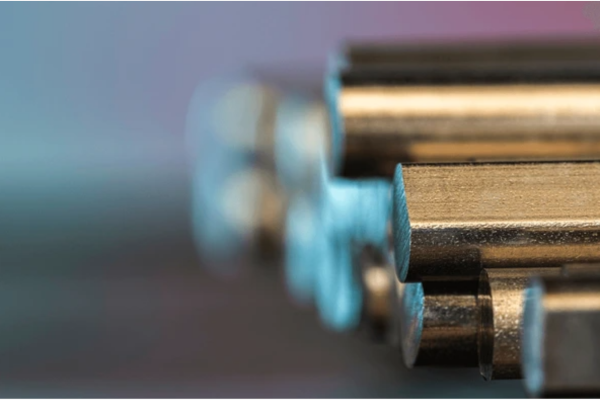
Metals have been crucial to the development of modern society, from the earliest uses in tools and weapons to today’s reliance on them in everything from electronics to construction. For traders and investors, understanding the types of metal in the market is essential for making informed decisions.
This article will explore the types of metal, including the what is the rarest metals on Earth and the most expensive metal in the world. We will also take a closer look at the projected performance of these metals in the coming years.
What Are the Different Types of Metal?
In the trading world, metals are generally classified into two main categories: ferrous and non-ferrous metals. Both categories present unique opportunities for trading, each with its own set of market drivers.
1. Ferrous Metals
Ferrous metals contain iron as their primary component. These metals are widely used in industries such as construction, automotive, and heavy manufacturing, making them highly relevant in commodity trading.
Steel: Steel is one of the most commonly traded types of metal due to its extensive use in construction, infrastructure, and automotive sectors. The demand for steel is influenced by global economic trends, particularly in emerging markets where infrastructure development is booming.
Cast Iron: Cast iron, though not as actively traded as steel, is still a crucial metal used in machinery, automotive parts, and infrastructure. Its price is closely linked to demand in the heavy manufacturing sector.
2. Non-Ferrous Metals
Non-ferrous metals are those that do not contain iron in significant amounts. These metals are often prized for their resistance to corrosion and other unique properties, making them ideal for specialised industries. In the financial markets, non-ferrous metals are highly traded commodities.
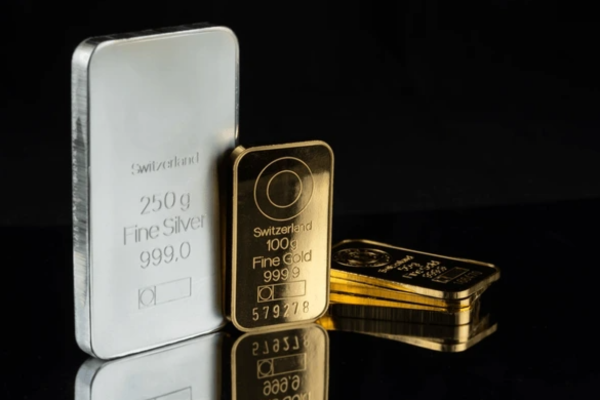
Gold: Gold is one of the most expensive metals in the world and has long been a safe-haven investment. It is highly liquid and traditionally acts as a hedge against inflation and geopolitical uncertainty. Its price can be influenced by global economic conditions, interest rates, and investor sentiment.
Copper: Copper is a vital industrial metal used in electrical wiring, construction, and renewable energy industries. It is seen as a barometer of economic health because of its extensive use in construction and electronics.
Platinum: Used in the automotive industry and for high-end jewelry, platinum is also traded on global exchanges like the NYMEX and LME. Its market tends to be more volatile compared to gold, with its price closely linked to automotive production and global economic conditions.
Silver: Silver, like gold, is both a precious metal and an industrial commodity. Its price tends to be more volatile than gold, but it still benefits from similar drivers such as inflation and geopolitical tensions.
What Is the Rarest Metal on Earth?
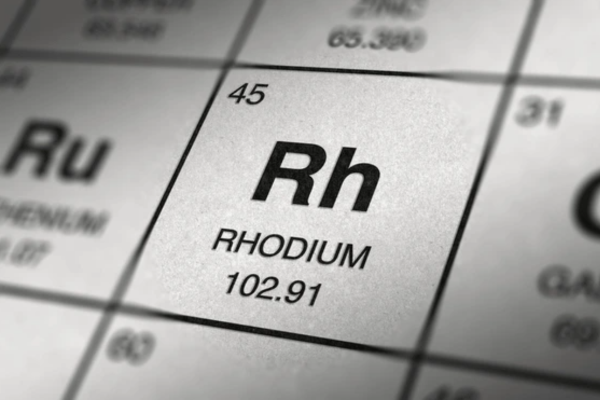
When discussing the rarest metal on Earth, rhodium frequently comes up. Rhodium, a member of the platinum group metals, is primarily used in catalytic converters for vehicles. Due to its limited supply and critical industrial use, rhodium is considered one of the rarest metals on Earth and commands one of the highest prices among metals. The price of rhodium can be highly volatile, often spiking due to industrial demand and supply disruptions.
Other rare metals include iridium, which is similarly used in catalytic processes and high-performance electrical contacts. While it is not traded as widely as gold or silver, iridium’s scarcity and specialised applications make it highly valuable.
The Most Expensive Metal in the World
The most expensive metals can often outperform traditional investments due to their rarity and demand. These metals are actively traded on global markets and can provide traders with unique opportunities.
Rhodium: The Most Expensive Metal
Rhodium’s status as the most expensive metal is primarily due to its extreme rarity and the high demand for it in the automotive industry. The price of rhodium can soar dramatically based on global shifts in industrial demand. In recent years, it has become the go-to metal for investors seeking a hedge against inflation and economic uncertainty.
Platinum and Gold
While platinum and gold are not as expensive as rhodium, they still hold significant value in the global metals market. Both metals are seen as safe-haven assets, meaning their value tends to rise during times of economic uncertainty or market instability.
Platinum: Platinum is often considered more stable than rhodium and is used in a variety of industries, particularly in automotive and jewelry. It is rarer than gold, which drives its price higher in the precious metals market.
Gold: Despite being more commonly traded than platinum and rhodium, gold remains a crucial asset for traders. It is historically seen as a store of value, and its price is heavily influenced by global economic conditions, such as interest rates, inflation, and geopolitical events.
How Are Metals Traded?
Metals are commonly traded through futures contracts, which allow traders to agree to buy or sell a metal at a set price at a later date. This is the standard method for trading metals like gold, copper, and silver on platforms such as the London Metal Exchange (LME) and COMEX.
Futures Contracts: These contracts enable investors to speculate on the price of metals in the future. Futures trading is the most common method for trading precious metals like gold and silver, and industrial metals like copper and platinum.
ETFs (Exchange-Traded Funds): ETFs offer a more accessible way to invest in metals without physically owning them. For metals like gold and silver, ETFs are widely used to track the performance of these metals in real-time.
Physical Metal Trading: Some traders and investors prefer to buy and hold physical metals like gold and silver as a hedge against inflation and economic uncertainty.
Performance & Return Range of the Types of Metals
Metal
Performance Overview
Projected Annual Return Range
Gold
Gold has historically been a safe-haven investment, performing well during periods of economic uncertainty and inflation.
5% – 7%
Silver
Silver is more volatile than gold but benefits from industrial demand in electronics, solar panels, and medical applications.
6% – 9%
Platinum
Platinum is influenced by industrial demand, particularly in the automotive sector. It can be volatile but offers solid returns during economic recoveries.
4% – 6%
Copper
Copper is a major industrial metal that benefits from global economic growth, especially in construction and renewable energy.
5% – 8%
Rhodium
Rhodium’s price is highly volatile but has shown massive increases due to demand in catalytic converters.
10% – 20% (highly volatile)
Iridium
Iridium is a rare metal used in high-performance electrical applications, with price increases driven by scarcity and niche demand.
3% – 5%
Nickel
Nickel is critical for battery production in electric vehicles, making it a valuable commodity in the green energy sector.
7% – 10%
The Best Metals for Trading
Metals offer a diverse range of investment opportunities, from the reliable gold to the high-risk, high-reward rhodium. At Ultima Markets, we offer comprehensive precious metal trading options, including gold, platinum, and copper.
By trading metals with Ultima Markets, you can diversify your portfolio and capitalise on global trends in both precious metals and industrial metals. Whether you’re looking to hedge against inflation or speculate on price movements, Ultima Markets provides the tools and resources you need to succeed. Start trading today and discover the opportunities the precious metals market has to offer.
FAQ
What are the different types of metal used in trading?
The most common types of metal traded are precious metals like gold, silver, and platinum, as well as industrial metals such as copper and nickel. Each has unique market drivers and investment potential.
Which is the most expensive metal in the world?
Rhodium holds the title as the most expensive metal in the world, followed by platinum and gold. Rhodium’s high value is due to its rarity and demand in the automotive industry.
What is the rarest metal on Earth?
The rarest metal on Earth is rhodium, known for its scarcity and specialised industrial applications. Other rare metals include iridium and osmium.
Share Now
Disclaimer:This content is provided for informational purposes only and does not constitute, and should not be construed as, financial, investment, or other professional advice. No statement or opinion contained herein should be considered a recommendation by Ultima Markets or the author regarding any specific investment product, strategy, or transaction. Readers are advised not to rely solely on this material when making investment decisions and should seek independent advice where appropriate.
Thank you for visiting the Ultima Markets website. Please note that this website is intended for individuals residing in jurisdictions where access is permitted by law. Ultima and its affiliated entities do not operate in your home jurisdiction.
By clicking ‘Acknowledge’, you confirm that you are entering this website solely on your own initiative and not as a result of any specific marketing outreach. You wish to obtain information from this website based on reverse solicitation principles, in accordance with the applicable laws of your home jurisdiction.