This website is managed by Ultima Markets’ international entities, and it’s important to emphasise that they are not subject to regulation by the FCA in the UK. Therefore, you must understand that you will not have the FCA’s protection when investing through this website – for example:
You will not be guaranteed Negative Balance Protection
You will not be protected by FCA’s leverage restrictions
You will not have the right to settle disputes via the Financial Ombudsman Service (FOS)
You will not be protected by Financial Services Compensation Scheme (FSCS)
Any monies deposited will not be afforded the protection required under the FCA Client Assets Sourcebook. The level of protection for your funds will be determined by the regulations of the relevant local regulator.
Note: UK clients are kindly invited to visit https://www.ultima-markets.co.uk/. Ultima Markets UK expects to begin onboarding UK clients in accordance with FCA regulatory requirements in 2026.
If you would like to proceed and visit this website, you acknowledge and confirm the following:
1.The website is owned by Ultima Markets’ international entities and not by Ultima Markets UK Ltd, which is regulated by the FCA.
2.Ultima Markets Limited, or any of the Ultima Markets international entities, are neither based in the UK nor licensed by the FCA.
3.You are accessing the website at your own initiative and have not been solicited by Ultima Markets Limited in any way.
4.Investing through this website does not grant you the protections provided by the FCA.
5.Should you choose to invest through this website or with any of the international Ultima Markets entities, you will be subject to the rules and regulations of the relevant international regulatory authorities, not the FCA.
Ultima Markets wants to make it clear that we are duly licensed and authorised to offer the services and financial derivative products listed on our website. Individuals accessing this website and registering a trading account do so entirely of their own volition and without prior solicitation.
By confirming your decision to proceed with entering the website, you hereby affirm that this decision was solely initiated by you, and no solicitation has been made by any Ultima Markets entity.
Ultima Markets does not have an establishment in Singapore and does not operate from Singapore.
Ultima Markets does not provide products or services to citizens or residents of Singapore, and account applications from Singapore citizens or residents will not be accepted.
If you are a citizen or resident of Singapore, please do not open an account or use Ultima Markets’ products or services.
By selecting “Acknowledge and Continue Browsing”, you confirm that you are accessing this website on your own initiative and that your access is not the result of any direct marketing, targeted advertising, solicitation, or promotional activity by Ultima Markets.
Nothing on this website constitutes an offer, solicitation, or promotion of products or services in any jurisdiction where such activity is prohibited. You are responsible for ensuring that your access to and use of this website complies with applicable local laws and regulations.
Discover what is the currency in Spain. The official currency is the Euro (€). Learn about Spain’s coins, banknotes, and gain tips for exchanging money.
What is the Currency in Spain?
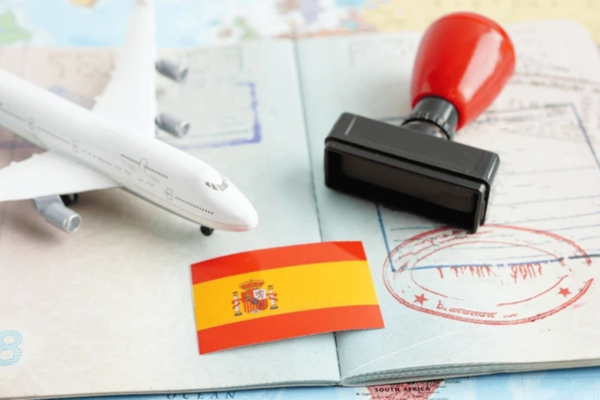
When traveling to Spain, one of the essential pieces of information to know is the currency used in the country. Spain is a member of the Eurozone, which means its official currency is the Euro (€). Understanding what is the currency in Spain can make your trip smoother, whether you’re navigating local markets, paying for meals, or managing your budget.
In this article, we’ll dive into the specifics of Spain’s currency, how it works, and why the Euro is so important for both locals and visitors.
The Euro: Spain’s Official Currency
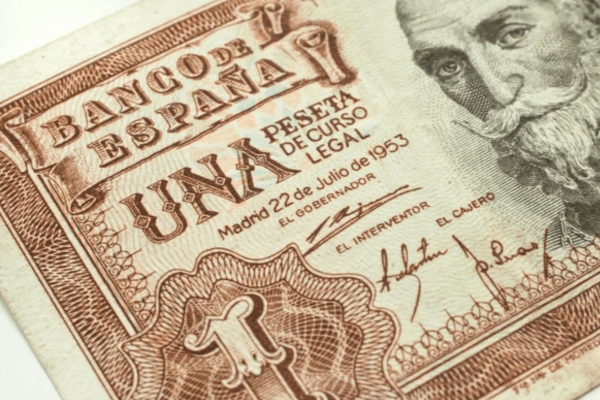
Since January 1, 2002, the Euro (€) has been the official currency of Spain. It replaced the Spanish Peseta (ESP), which was in circulation for more than a century. The Euro is the currency used by 19 of the 27 European Union member states that make up the Eurozone.
These countries have adopted the Euro as their common currency to facilitate easier trade, travel, and economic integration within the European Union.
The Euro is also the second most traded currency in the world, following the US Dollar. It’s widely accepted not just in Spain, but across 19 other European countries, making it a very stable and accessible currency for anyone traveling or doing business within the Eurozone.
Euro Coins and Banknotes in Spain
In Spain, the Euro comes in both coins and banknotes, all of which are used across the entire Eurozone. These denominations make it easy for residents and visitors to make transactions, whether small or large.
Euro Coins:
€0.01, €0.02, €0.05: Commonly used for small purchases, such as a bottle of water or a newspaper.
€0.10, €0.20, €0.50: Often used for things like snacks, bus tickets, or a coffee.
€1 and €2: Used for larger, everyday purchases.
Euro Banknotes:
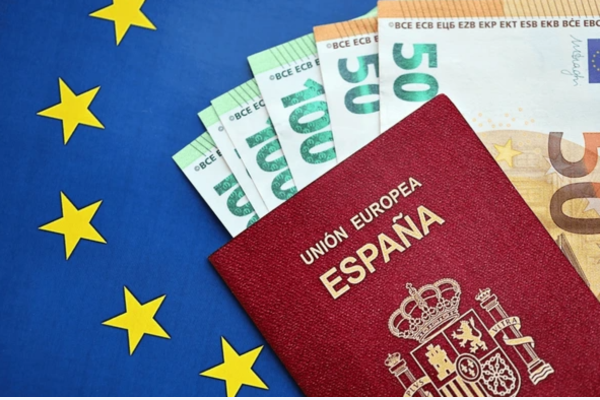
€5, €10, €20, €50, €100, €200, €500: These notes are widely accepted, with €5 and €10 being the most common for everyday transactions in stores, restaurants, and cafes.
It’s important to note that Euro coins have a common side that represents the European Union, and a national side that features designs specific to the country of issue. For Spain, the coins depict various historical and cultural symbols, such as the Spanish coat of arms and King Felipe VI’s effigy.
The History Behind the Euro in Spain
Before the Euro, Spain used the Peseta for more than 100 years. The Peseta was introduced in the 19th century and served as Spain’s official currency until the country joined the Eurozone. In 1999, the Euro was introduced as an electronic currency, and in 2002, it replaced the Peseta in physical form.
The transition from the Peseta to the Euro was a significant milestone for Spain. It marked the country’s growing integration into the European Union and helped streamline trade and tourism within Europe. The switch to the Euro also brought greater economic stability and lowered exchange rate risks for businesses and travelers within the region.
Using the Euro in Spain
If you’re planning a trip to Spain, it’s essential to know how to manage your money and where to get Euros.
Currency Exchange: You can exchange foreign currency for Euros at banks, currency exchange offices, and ATMs throughout Spain. Currency exchange offices are often found at airports and in tourist areas, but they may charge higher fees compared to local banks. It’s best to compare exchange rates and fees before making the exchange.
ATMs: ATMs are widely available in Spain and typically offer a competitive exchange rate. However, be mindful of potential international transaction fees charged by your bank. You can withdraw Euros directly from your international debit or credit card.
Credit and Debit Cards: Spain is a cash-friendly society, but cards are widely accepted in hotels, larger restaurants, and shops, especially in urban areas. If you’re visiting more rural areas, carrying cash may be more convenient. Visa and Mastercard are the most commonly accepted cards.
Tipping: While tipping is not mandatory in Spain, it is common in restaurants and cafes. A tip of 5-10% is appreciated for good service, though this is entirely at your discretion.
Currency Trends and Economic Considerations
The Euro is a stable currency, but like all currencies, its value fluctuates based on global economic conditions. As of early 2026, the Euro is performing steadily against major currencies like the US Dollar (USD) and the British Pound (GBP).
However, these exchange rates can change due to various factors, including global trade policies, inflation, and economic shifts within the Eurozone.
For travelers, it’s a good idea to keep an eye on exchange rates before and during your trip, especially if you’re planning to exchange a large amount of currency. You can check live exchange rates through various currency converter tools or apps.
Conclusion
The currency of Spain is the Euro (€), a widely accepted and stable currency used by several European countries. It provides convenience for both tourists and businesses, offering coins and banknotes that are easy to use and understand.
Whether you’re exchanging money or using your credit card, Spain’s adoption of the Euro has simplified financial transactions for anyone visiting or living in the country.
By familiarizing yourself with the Euro, understanding how to exchange currency, and being mindful of the local tipping customs, you can make the most of your time in Spain without worrying about your finances. Enjoy your travels and let the Spanish experience unfold without the stress of currency concerns!
FAQ
What is the official currency in Spain?
The official currency of Spain is the Euro (€), which is also used by 19 other European Union countries in the Eurozone.
Can I use US Dollars in Spain?
No, US Dollars are not accepted in Spain. The official currency is the Euro (€), so you’ll need to exchange your USD for Euros either at a bank or currency exchange office.
Are credit cards accepted in Spain?
Yes, credit and debit cards are widely accepted in Spain, especially in larger cities, hotels, and restaurants. However, in rural areas or small businesses, it’s recommended to carry cash for small purchases.
Share Now
Disclaimer:This content is provided for informational purposes only and does not constitute, and should not be construed as, financial, investment, or other professional advice. No statement or opinion contained herein should be considered a recommendation by Ultima Markets or the author regarding any specific investment product, strategy, or transaction. Readers are advised not to rely solely on this material when making investment decisions and should seek independent advice where appropriate.
Thank you for visiting the Ultima Markets website. Please note that this website is intended for individuals residing in jurisdictions where access is permitted by law. Ultima and its affiliated entities do not operate in your home jurisdiction.
By clicking ‘Acknowledge’, you confirm that you are entering this website solely on your own initiative and not as a result of any specific marketing outreach. You wish to obtain information from this website based on reverse solicitation principles, in accordance with the applicable laws of your home jurisdiction.