This website is managed by Ultima Markets’ international entities, and it’s important to emphasise that they are not subject to regulation by the FCA in the UK. Therefore, you must understand that you will not have the FCA’s protection when investing through this website – for example:
You will not be guaranteed Negative Balance Protection
You will not be protected by FCA’s leverage restrictions
You will not have the right to settle disputes via the Financial Ombudsman Service (FOS)
You will not be protected by Financial Services Compensation Scheme (FSCS)
Any monies deposited will not be afforded the protection required under the FCA Client Assets Sourcebook. The level of protection for your funds will be determined by the regulations of the relevant local regulator.
Note: UK clients are kindly invited to visit https://www.ultima-markets.co.uk/. Ultima Markets UK expects to begin onboarding UK clients in accordance with FCA regulatory requirements in 2026.
If you would like to proceed and visit this website, you acknowledge and confirm the following:
1.The website is owned by Ultima Markets’ international entities and not by Ultima Markets UK Ltd, which is regulated by the FCA.
2.Ultima Markets Limited, or any of the Ultima Markets international entities, are neither based in the UK nor licensed by the FCA.
3.You are accessing the website at your own initiative and have not been solicited by Ultima Markets Limited in any way.
4.Investing through this website does not grant you the protections provided by the FCA.
5.Should you choose to invest through this website or with any of the international Ultima Markets entities, you will be subject to the rules and regulations of the relevant international regulatory authorities, not the FCA.
Ultima Markets wants to make it clear that we are duly licensed and authorised to offer the services and financial derivative products listed on our website. Individuals accessing this website and registering a trading account do so entirely of their own volition and without prior solicitation.
By confirming your decision to proceed with entering the website, you hereby affirm that this decision was solely initiated by you, and no solicitation has been made by any Ultima Markets entity.
Ultima Markets does not have an establishment in Singapore and does not operate from Singapore.
Ultima Markets does not provide products or services to citizens or residents of Singapore, and account applications from Singapore citizens or residents will not be accepted.
If you are a citizen or resident of Singapore, please do not open an account or use Ultima Markets’ products or services.
By selecting “Acknowledge and Continue Browsing”, you confirm that you are accessing this website on your own initiative and that your access is not the result of any direct marketing, targeted advertising, solicitation, or promotional activity by Ultima Markets.
Nothing on this website constitutes an offer, solicitation, or promotion of products or services in any jurisdiction where such activity is prohibited. You are responsible for ensuring that your access to and use of this website complies with applicable local laws and regulations.
Learn the key differences between hot and cold wallets for cryptocurrency storage. Discover which wallet is right for you based on security and use case.
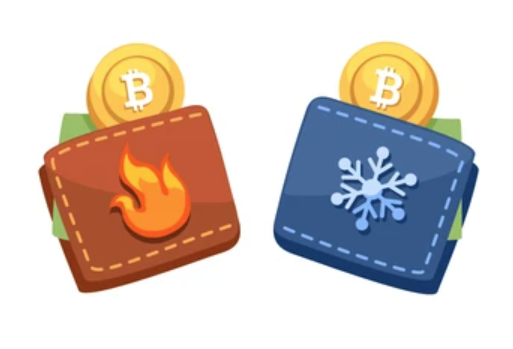
Cryptocurrency wallets are essential for storing digital assets securely. The two main types are hot wallets and cold wallets. While both serve the purpose of storing cryptocurrency, they differ primarily in terms of security and accessibility.
How are Cryptocurrency Hot Wallets Different From Cold Wallets
Hot wallets are connected to the internet, making them convenient for frequent transactions but more vulnerable to cyberattacks. Cold wallets, on the other hand, are offline and offer enhanced security, making them ideal for long-term storage.
Key Differences Between Hot vs Cold Wallets:
Internet Connection
Hot wallets are always connected to the internet.
Cold wallets are offline, providing stronger protection against cyber threats.
Security
Hot wallets are susceptible to hacking and phishing attacks.
Cold wallets are much safer as they are not connected to the internet.
Use Case
Hot wallets are ideal for active traders who need quick access to their funds.
Cold wallets are perfect for long-term investors who prioritize security.
Transaction Speed
Hot wallets allow instant transactions, which is essential for active traders.
Cold wallets require more effort to access and are slower for daily use.
Hot Wallets Vs Cold Wallets
Feature
Hot Wallets
Cold Wallets
Internet Connections
Always connected to the internet
Offline (no internet connection)
Security
Vulnerable to hacking and phishing attacks
Highly secure, immune to online threats
Use Case
Ideal for active traders who need quick access
Best for long-term storage and security
Transaction Speed
Instant access and transactions
Slower access for transactions
Accessibility
Easy access from mobile, desktop, or web
Requires physical access to hardware or paper
Convenience
Convenient for regular trading
Not convenient for frequent transactions
What is a Hot Wallet?
A hot wallet is a type of cryptocurrency wallet that is connected to the internet, allowing users to access their funds quickly. These wallets are ideal for active traders who need to make frequent transactions but are more vulnerable to cyberattacks because they remain online.
Types of Hot Wallets
Software Wallets: These are installed on your computer or mobile device, like Trust Wallet and Exodus.
Web Wallets: These are accessible through a browser, often provided by exchanges like Coinbase Wallet and MetaMask.
Benefits of Hot Wallets:
Convenient and Fast: Access your cryptocurrency for quick trades and transactions.
Easy to Use: Available on mobile and desktop for seamless use.
Supports Multiple Cryptocurrencies: Store different types of assets in one place.
Drawbacks of Hot Wallets:
Security Risks: Hot wallets are more prone to hacking, phishing, and other online threats.
Always Online: The connection to the internet exposes hot wallets to higher risks of cyberattacks.
What is a Cold Wallet?
A cold wallet is a type of cryptocurrency wallet that is not connected to the internet, making it the most secure option for long-term storage. Cold wallets are preferred by users who wish to store large amounts of cryptocurrency or those who prioritize security over accessibility.
Types of Cold Wallets
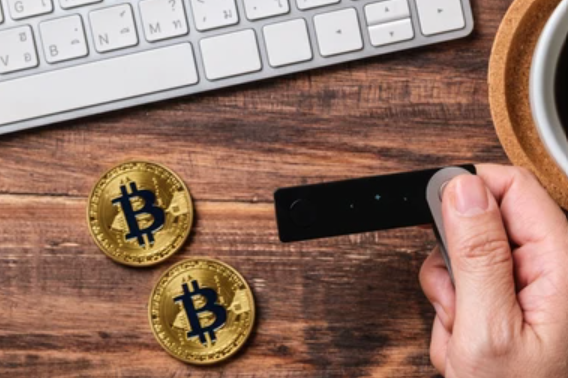
Hardware Wallets: Physical devices that store your private keys offline.
Paper Wallets: A physical document containing the public and private keys to access your funds.
Benefits of Cold Wallets:
Superior Security: Being offline makes them nearly immune to hacking and cyberattacks.
Long-Term Storage: Ideal for holding large amounts of cryptocurrency without the need for regular access.
Full Control: You control your private keys, reducing reliance on third-party services.
Drawbacks of Cold Wallets:
Inconvenient for Frequent Use: Accessing funds requires physical interaction with the wallet, which can take more time.
Risk of Loss or Damage: If you lose your hardware wallet or it is damaged, you may lose access to your funds.
Which Wallet Should You Use: Hot or Cold?
The choice between a hot wallet and a cold wallet largely depends on your needs as a cryptocurrency user. If you’re an active trader who needs quick, frequent access to your funds, a hot wallet is ideal due to its convenience and ability to process transactions instantly.
Hot wallets are best for those who trade regularly or engage in smaller, day-to-day transactions. On the other hand, if you’re a long-term investor looking to securely store a significant amount of cryptocurrency for months or years, a cold wallet is the better option.
Cold wallets offer superior security by keeping your assets offline, minimizing exposure to hacking, and ensuring that your funds remain safe even if your hot wallet is compromised. Ultimately, many users choose a combination of both, using a hot wallet for active trading and a cold wallet for securely storing long-term holdings.
Are Cold Wallets the Safest for Cryptocurrency Storage?
Yes, cold wallets are generally considered the safest method for storing cryptocurrency because they are offline and not connected to the internet. This means they are immune to the most common cyberattacks that target hot wallets, such as hacking, phishing, and malware. Since the private keys to access the cryptocurrency are stored offline, cold wallets are almost impossible to hack remotely.
Conclusion
Choosing between hot wallets and cold wallets depends on your specific needs as a cryptocurrency user. Hot wallets are best suited for active traders who require quick access to their funds, offering convenience for frequent transactions but at the cost of increased security risks. On the other hand, cold wallets are the safest option for long-term storage, providing enhanced security by keeping your cryptocurrency offline and protected from cyber threats.
At Ultima Markets, we understand the importance of security and accessibility in cryptocurrency trading. Whether you’re an active trader or a long-term investor, selecting the right wallet is crucial to safeguarding your assets. For traders seeking fast, secure transactions, a hot wallet can be a great option, while cold wallets offer peace of mind for those storing large amounts of cryptocurrency for the future.
Share Now
Disclaimer:This content is provided for informational purposes only and does not constitute, and should not be construed as, financial, investment, or other professional advice. No statement or opinion contained herein should be considered a recommendation by Ultima Markets or the author regarding any specific investment product, strategy, or transaction. Readers are advised not to rely solely on this material when making investment decisions and should seek independent advice where appropriate.
Thank you for visiting the Ultima Markets website. Please note that this website is intended for individuals residing in jurisdictions where access is permitted by law. Ultima and its affiliated entities do not operate in your home jurisdiction.
By clicking ‘Acknowledge’, you confirm that you are entering this website solely on your own initiative and not as a result of any specific marketing outreach. You wish to obtain information from this website based on reverse solicitation principles, in accordance with the applicable laws of your home jurisdiction.